
Evidence brief for clinic investors
PEMF for plantar fasciitis and heel pain: what the research shows
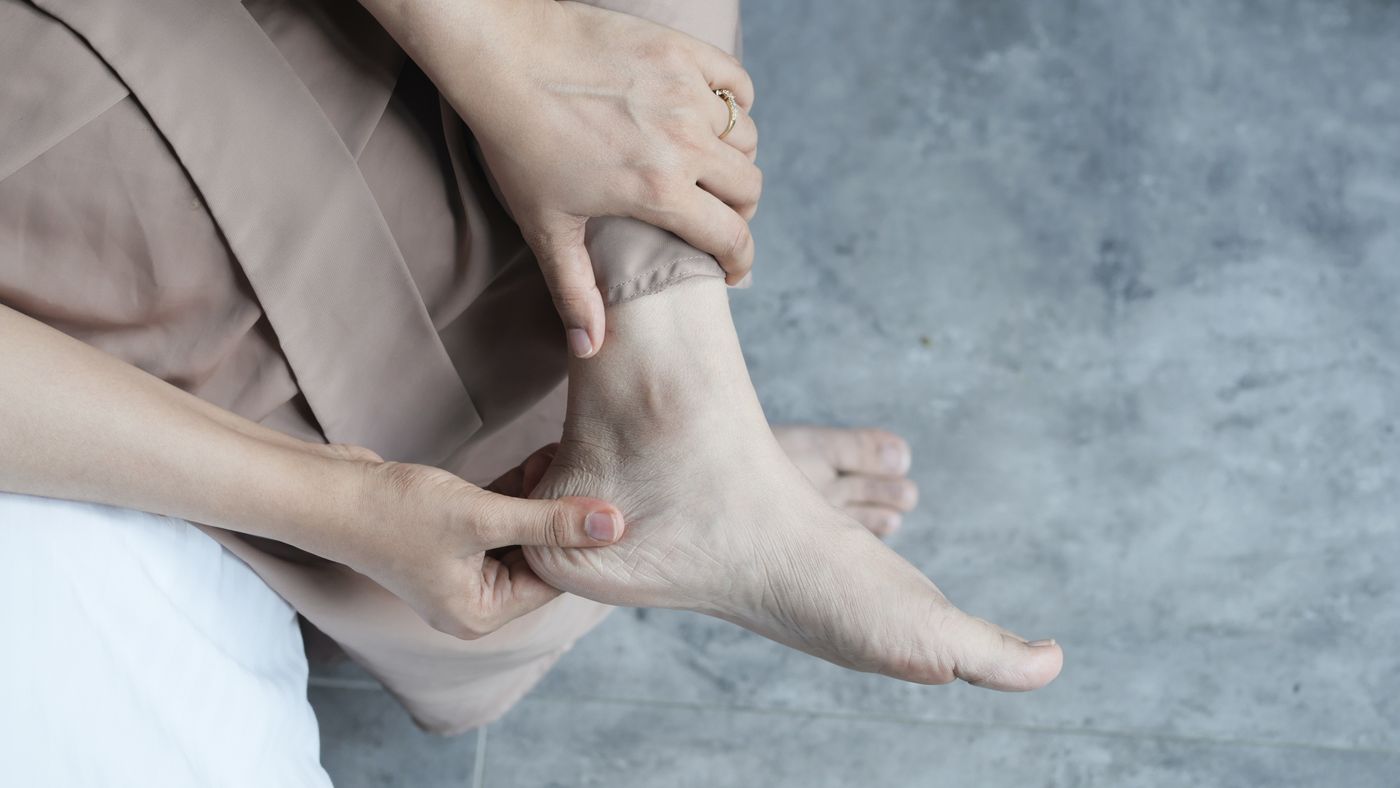
Plantar fasciitis is a common cause of heel pain, and its typical sign is pain with the first steps in the morning. The randomized research on electromagnetic therapy here is thin: two trials, one of which tested pulsed radiofrequency energy rather than low-frequency pulsed electromagnetic field (PEMF) technology. This brief sets out what each trial measured, which energy type it used, and where the evidence stops.
How big the problem is
Lower-limb pain was reported by 36.5% of US adults in the previous three months, second only to back pain (NCHS Data Brief No. 415, 2019 data). The survey does not report the heel or plantar fasciitis on its own, and we found no official US figure for it, so we do not estimate one.
What the trials measured
Double-blind, multicenter, placebo-controlled randomized trial, 70 patients with plantar fasciitis (Brook et al., Journal of Foot and Ankle Surgery, 2012). A wearable device worn overnight. The device delivered pulsed radiofrequency energy (PRFE), not low-frequency PEMF. At day 7, morning pain on a visual analogue scale fell 40% with the active device and 7% with placebo (p=0.03). Evening pain fell 30% vs 19%, a difference that was not significant. Medication use trended down in the active group only. Outcomes were measured at day 7 only. (PubMed 22297104)
Randomized trial, 40 patients aged 20 to 68 with plantar fasciitis (Arani et al., Bioelectromagnetics, 2026). Physiotherapy alone against physiotherapy plus PEMF, 10 sessions with a 4-week follow-up. Adding PEMF reduced evening pain (numeric pain rating scale) and the Foot Function Index more than physiotherapy alone (p<0.05). Morning pain, the hallmark symptom of plantar fasciitis, did not differ between the groups. There was no sham arm, and the abstract does not report the size of the differences. (PubMed 42708522)
Where the evidence stops
- The only placebo-controlled trial tested pulsed radiofrequency energy, not low-frequency PEMF. Its results do not transfer automatically to PEMF systems.
- The two trials point in opposite directions on morning pain: the radiofrequency trial found a difference at day 7, and the PEMF trial found none against physiotherapy alone.
- Both trials are small (70 and 40 patients). The 2012 trial measured only to day 7; the 2026 trial followed patients for 4 weeks after treatment and had no sham.
- The rest of the published work we found is uncontrolled case series, which cannot separate the effect of a device from natural recovery over time.
- Trials used different devices, energy types and schedules. A result belongs to the protocol that was tested, not to every device sold under the PEMF label.
What to ask when you evaluate a clinic model
- Which energy type is behind any heel-pain claim: low-frequency PEMF, pulsed radiofrequency energy, or something else? Which trial tested that same type?
- What does the evidence say about morning pain with the first steps, the outcome patients notice most? Ask to see it measured, not only evening pain or function scores.
- Where do sessions sit next to the standard care patients already receive, such as stretching, orthotics or shockwave therapy? Ask whether any trial compared them directly; the trials above did not.
- How will outcomes be measured and recorded for every patient, including follow-up after the sessions end?
- Can the seller show you this research, with its limits, the way it is written here?
Questions buyers ask
How many randomized trials of electromagnetic therapy in plantar fasciitis are there?
This brief covers two: Brook et al., 2012, with 70 patients, and Arani et al., 2026, with 40. The rest of the published work we found is uncontrolled case series, which cannot show whether the device or time made the difference.
Was the 2012 placebo-controlled trial a PEMF trial?
Not in the low-frequency sense. Brook et al. tested a wearable device that delivers pulsed radiofrequency energy. It is a related form of pulsed electromagnetic energy, but its results should not be read as results for low-frequency PEMF systems.
Did either trial show an effect on morning heel pain?
Only the 2012 radiofrequency trial, and only at day 7. In the 2026 PEMF trial, morning pain did not differ between the two groups. The study section above gives the details and limits.
Is there a trial comparing PEMF with shockwave, orthotics or stretching?
Not among the trials in this brief. The 2026 trial added PEMF to physiotherapy and compared it with physiotherapy alone, without a sham. Neither trial compared PEMF head to head with shockwave therapy, orthotics or a stretching program.
How common is heel pain in the US?
We found no official US figure for plantar fasciitis or heel pain on its own. The closest official number is lower-limb pain, reported by 36.5% of US adults in the previous three months (NCHS Data Brief No. 415).
The regulatory side
FDA decisions on PEMF devices are specific to one device, one model and one indication, and they do not carry over to other devices. Before you rely on any device for a clinic, look up its own FDA record. Our guide PEMF and the FDA explains how, and what the technology's record since 1979 does and does not cover.
Read the research yourself
Every study above links to its PubMed abstract. More published PEMF studies, each checked against the original paper: pemf-research.com. Compare with our knee osteoarthritis and chronic low back pain briefs.
About the publisher
These guides are written by PainFree. PainFree has run pain-relief clinics in Israel for 25 years, and more than 70 operate today; its Israeli site, in Hebrew, is painfree.org.il. We would want any buyer to read the evidence behind a clinic model this carefully, ours included.
Related research on this site
This article is general information for prospective business owners. It is not legal, financial or medical advice. We do not make earnings claims, and this page is not an offer to sell a franchise or a business opportunity. Study results describe the trials cited, not any particular device or clinic. Equipment supplied to US clinics will meet the applicable US regulatory requirements.