
Evidence brief for clinic investors
PEMF for older adults' mobility and strength: what the research shows
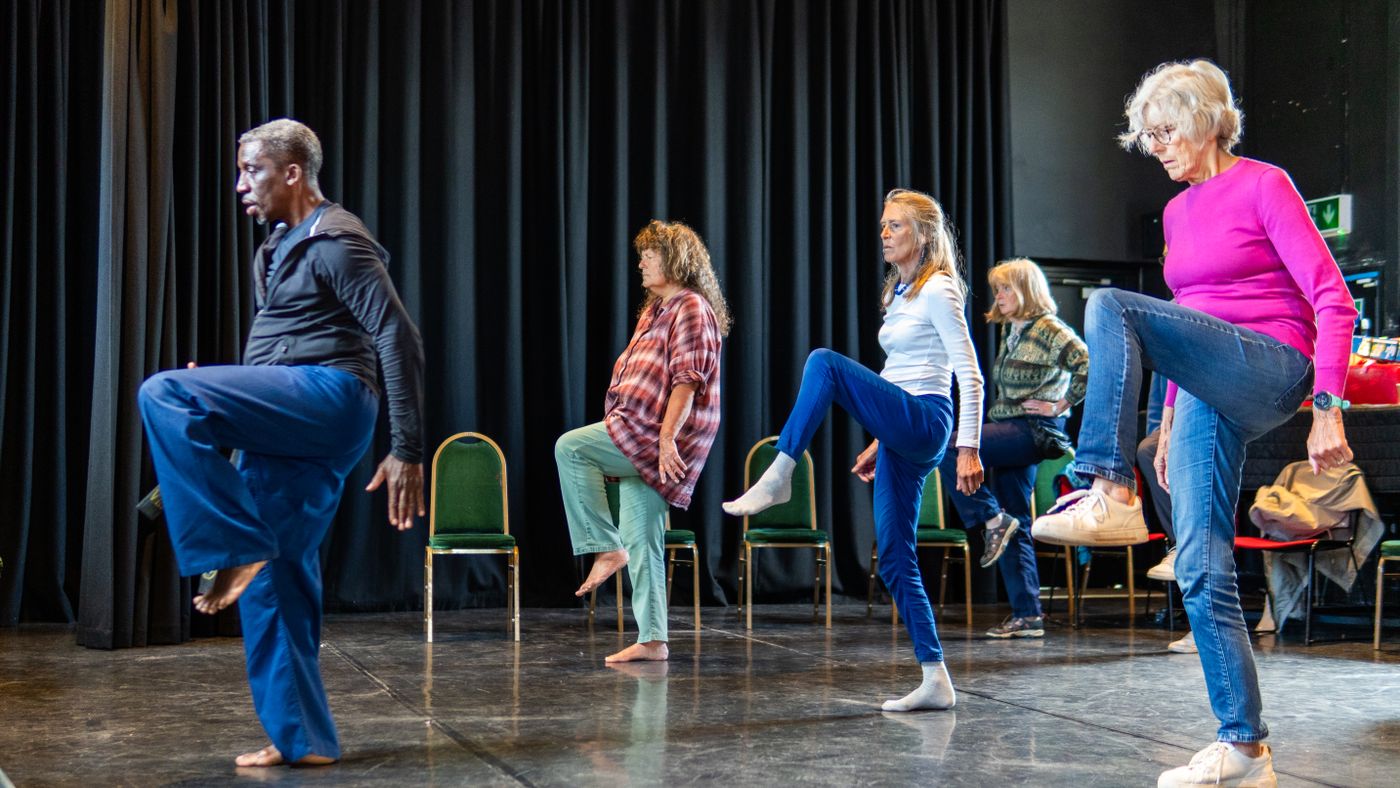
Older adults are a large share of the people who use pulsed electromagnetic field (PEMF) technology, and strength and mobility are what they and their families care about most. The verified research on that question is thin: one sham-controlled trial in adults aged 50 and over with knee osteoarthritis, and one descriptive review of osteoarthritis trials. This brief sets out what each measured, what did not change, and why the evidence is not yet enough to rest a clinic model on by itself.
How big the problem is
In 2025, 18.9% of US adults reported some difficulty walking or climbing steps, and in 2019, 19.3% of adults aged 65 and over reported a lot of difficulty in at least one of six areas of functioning, mobility among them, according to the CDC's National Center for Health Statistics (FastStats: Disability and Functioning). Back pain in the past three months was reported by 45.6% of adults aged 65 and over in 2019 (NCHS Data Brief No. 415, 2021).
What the trials measured
Randomized, double-blind, sham-controlled trial, 60 adults aged 50 and over with mild-to-moderate knee osteoarthritis that had not responded to treatment (Lau et al., Journal of Cachexia, Sarcopenia and Muscle, 2026). Patients had PEMF or a sham treatment for 30 minutes, three times a week for eight weeks, and were followed for 12 months. Knee extension strength showed a PEMF-by-time interaction (p<0.001) and was higher with PEMF than with sham at six months (p=0.042). From baseline to six months, knee extensor strength rose 72% in the PEMF group against 25% with sham (p=0.003); flexor strength rose 72% against 24% (p=0.022), but the between-group comparison for flexors was not significant. There was no difference between groups in lean muscle mass, cartilage thickness, joint space width, 6-meter walk, 30-second chair stands or WOMAC pain and function score (all p>0.05) through 12 months. (PubMed 41588476)
Systematic review of 17 randomized trials, 1,197 patients with osteoarthritis, mostly of the knee (Cianni et al., Journal of Clinical Medicine, 2024). The review reports a 60% reduction in pain on a visual analogue scale and a 42% improvement in WOMAC score, with lower medication use and better quality of life as secondary outcomes. These figures are descriptive; the review did not pool the trials in a meta-analysis. (PubMed 38610722)
Where the evidence stops
- The only positive result in the sham-controlled trial is muscle strength. Pain, function, walking, rising from a chair, muscle mass, cartilage thickness and joint space did not differ from sham through 12 months. A strength result should never be quoted without those null results beside it.
- The trial is small: 60 participants. Small trials can show differences that shrink or disappear when larger trials are run.
- Neither study is a trial of older adults in general. The trial enrolled adults aged 50 and over with knee osteoarthritis, and the review covered osteoarthritis patients of all adult ages. We found no verified PEMF trial on frailty, sarcopenia or falls.
- The review is descriptive, without a meta-analysis, and its trials used different devices and treatment periods of 15 to 90 days. Its percentages cannot be read as one pooled effect size.
- In knee osteoarthritis, several sham-controlled PEMF trials found no difference between active and sham; our knee osteoarthritis brief lists them.
- Trials used one device and one schedule each. A result belongs to the protocol that was tested, not to every device sold under the PEMF label.
What to ask when you evaluate a clinic model
- Does any claim about strength or mobility in older adults rest on a trial in older adults, or on a knee osteoarthritis trial? Ask which, and read it.
- When a strength result is quoted, are the outcomes that did not change quoted with it: walking, chair stands, pain and function?
- How would clinic sessions compare with what was tested: 30 minutes, three times a week for eight weeks?
- How will the clinic coordinate with the physicians and physical therapists who already manage older patients, including fall risk?
- How will outcomes such as strength, walking and pain be recorded for every patient, not only those who do well?
Questions buyers ask
Is there a PEMF trial in older adults in general?
Not among the studies we have verified. The one sham-controlled trial enrolled 60 adults aged 50 and over with knee osteoarthritis, and the review covered osteoarthritis patients of all adult ages. Neither studied frailty, sarcopenia or falls in a general older population.
What did the sham-controlled trial find?
Lau et al., 2026 found greater knee-straightening muscle strength in the PEMF group than in the sham group at six months. It found no difference in walking, standing up from a chair, pain and function scores, muscle mass or cartilage through 12 months. (PubMed 41588476)
Did walking or getting up from a chair improve?
Not compared with sham. In the 2026 trial, the 6-meter walk test and the 30-second chair-stand test did not differ between the PEMF and sham groups at any follow-up through 12 months.
How strong is the review evidence?
Limited. Cianni et al., 2024 gathered 17 randomized trials with 1,197 osteoarthritis patients, mostly knee, but described the results rather than pooling them in a meta-analysis, and the trials used different devices and treatment periods.
How were the sessions given in the trial?
Thirty-minute sessions, three times a week for eight weeks, with a sham group on the same schedule. Patients were followed for 12 months.
The regulatory side
FDA decisions on PEMF devices are specific to one device, one model and one indication, and they do not carry over to other devices. No FDA decision we know of covers PEMF for strength or mobility in older adults as such. Before you rely on any device for a clinic, look up its own FDA record. Our guide PEMF and the FDA explains how, and what the technology's record since 1979 does and does not cover.
Read the research yourself
Every study above links to its PubMed abstract. More published PEMF studies, each checked against the original paper: pemf-research.com. Compare with our knee osteoarthritis and musculoskeletal pain briefs.
About the publisher
These guides are written by PainFree. PainFree has run pain-relief clinics in Israel for 25 years, and more than 70 operate today; its Israeli site, in Hebrew, is painfree.org.il. We would want any buyer to read the evidence behind a clinic model this carefully, ours included.
Related research on this site
This article is general information for prospective business owners. It is not legal, financial or medical advice. We do not make earnings claims, and this page is not an offer to sell a franchise or a business opportunity. Study results describe the trials cited, not any particular device or clinic. Equipment supplied to US clinics will meet the applicable US regulatory requirements.